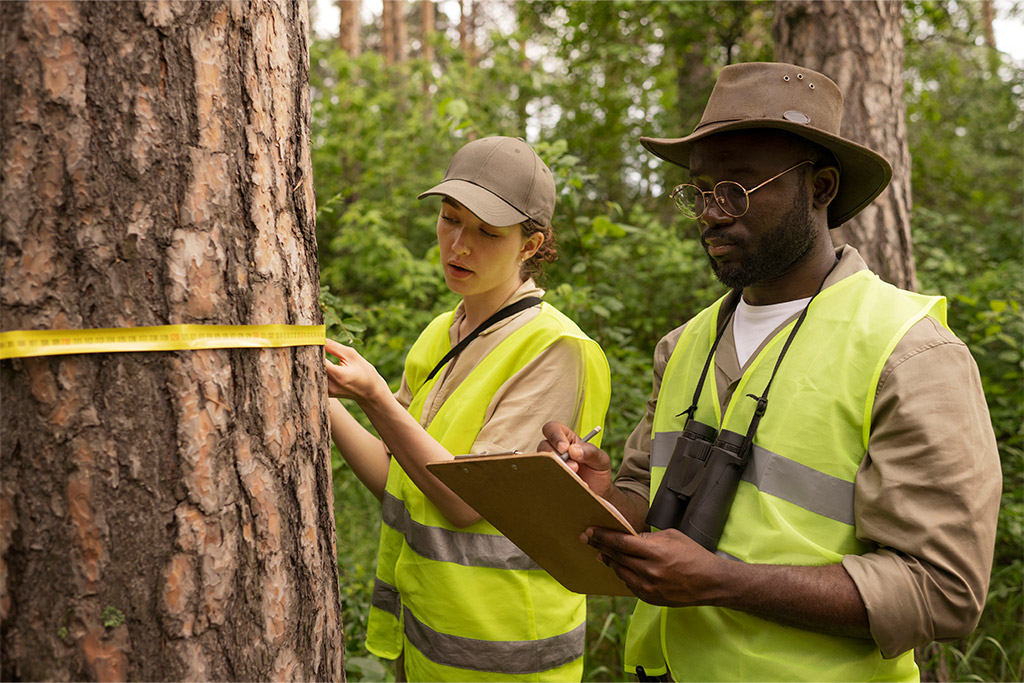
Determining whether a tree needs to be removed requires evaluating its overall health, structural stability, location, and potential risks to nearby people or property. Common warning signs include large dead branches, extensive trunk decay, significant leaning, exposed or damaged roots, and fungal growth around the base. Although some of these conditions may be treatable, others can indicate that the tree has become unsafe.
New Jersey homeowners should pay particular attention to trees located near houses, garages, driveways, sidewalks, and utility lines. Severe storms, heavy snow, and strong winds can place additional stress on weakened trees. A tree that appears healthy from a distance may still have internal decay or structural defects that require professional evaluation.
Not every damaged or unhealthy tree needs to be removed. In some cases, selective pruning, disease treatment, soil improvement, or structural support may help preserve it. A qualified tree care professional can assess the tree’s condition and explain whether removal is necessary or whether another solution would be appropriate.
NJ Arbor & Tree Removal provides professional tree assessments and removal services for residential and commercial properties throughout its New Jersey service area. If you notice concerning changes in a tree, contact NJ Arbor at (732) 783-4698 to request a free estimate and discuss the safest approach for your property.